
When it comes to chemical-resistant piping, Polyvinylidene Fluoride (PVDF) stands out as a high-performance thermoplastic ideal for aggressive industrial applications. Whether used in water treatment, pharmaceuticals, or chemical processing, the long-term performance of any PVDF piping system depends heavily on the joining technique.
In this blog, we’ll walk you through the top 5 reliable methods to join PVDF piping systems, each offering its own set of benefits based on application, pressure, and purity requirements.
Table of Contents
1. Butt Fusion Welding
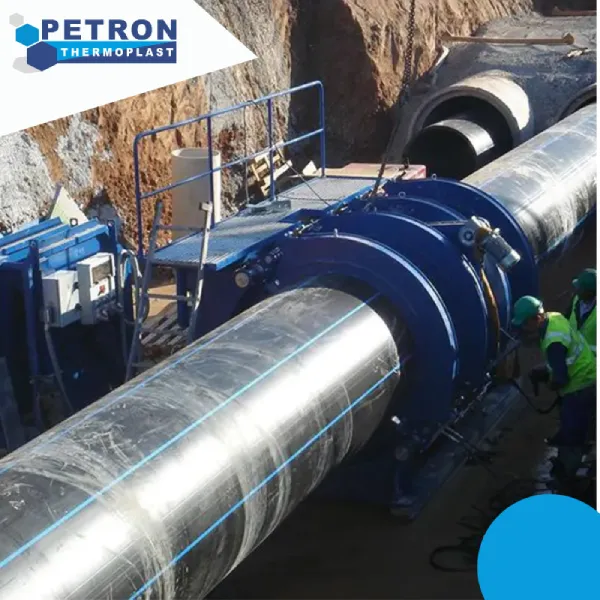
Butt fusion is one of the most common and effective methods of joining PVDF pipes. It involves heating the ends of two pipes until they become molten and then pressing them together to form a homogeneous joint.
Key Benefits:
- Strong, permanent bond
- No additional material or adhesives needed
- Ideal for high-pressure applications
- Excellent for creating leak-proof, seamless connections
Common Applications:
- Chemical process lines
- Industrial water distribution
- High-purity environments
2. Socket Fusion Welding
Overview:
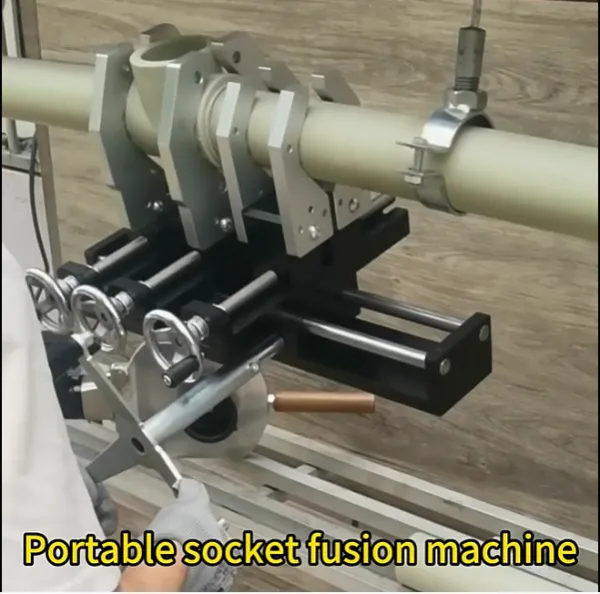
Socket fusion involves inserting the pipe end into a heated socket of the fitting. Once melted, the pipe and fitting are joined together to form a secure and durable joint.
Key Benefits:
- Strong mechanical joint
- Easier to handle than butt fusion in small-diameter systems
- Ideal for compact installation areas
Common Applications:
- Laboratory pipelines
- Water treatment facilities
- Semi-conductor and clean room piping
3. Electrofusion Welding
Overview:
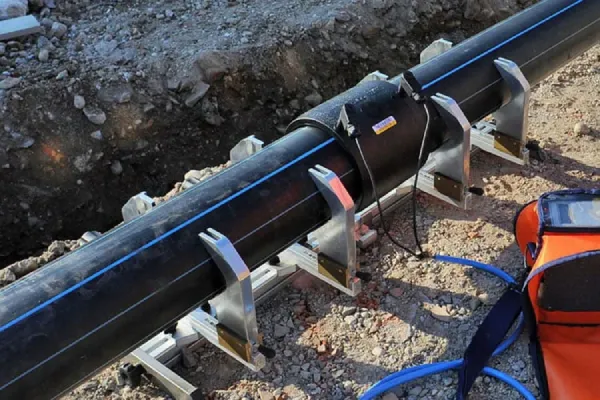
Electrofusion involves using a special fitting with embedded electrical heating elements. When electricity is applied, the material melts and fuses the pipe with the fitting.
Key Benefits:
- Very reliable for underground or concealed installations
- No need for open flame or manual heating
- Provides high-strength, hermetic seals
Common Applications:
- Buried piping systems
- Piping requiring minimum human error
- Hazardous fluid transfer lines
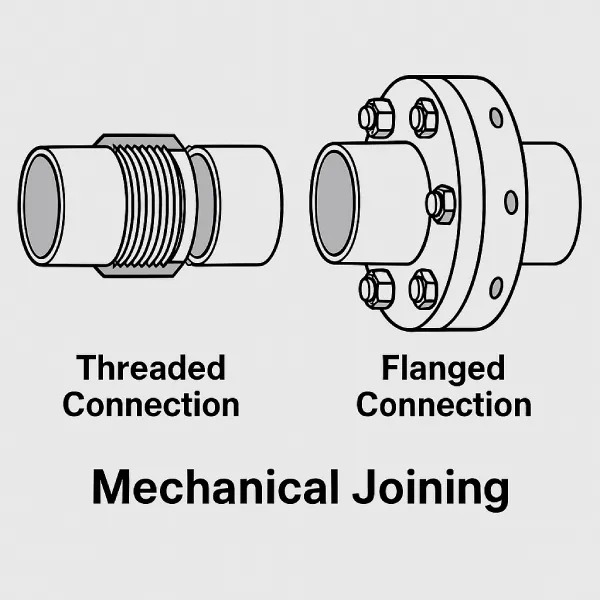
4. Mechanical Joining (Threaded & Flanged Connections)
Overview:
When welding is not an option (e.g., during repairs or temporary installations), mechanical joints such as flanged or threaded fittings can be used.
Key Benefits:
- Easy assembly and disassembly
- Perfect for temporary connections
- No special equipment required
Common Applications:
- Maintenance areas
- Modular piping systems
- Pilot-scale operations
5. Infrared (IR) Welding
Overview:
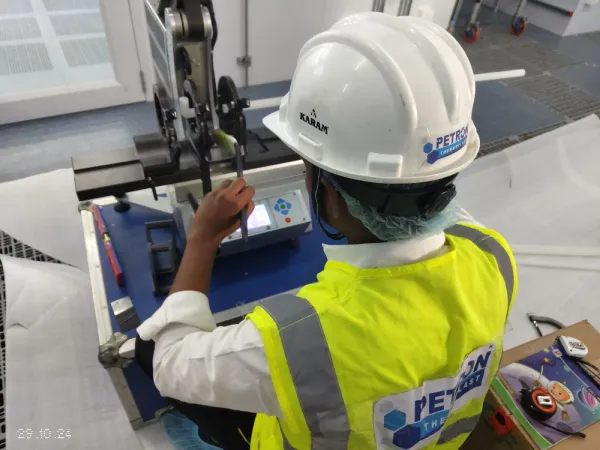
Infrared welding uses non-contact radiant heat to melt the pipe and fitting ends, then joins them under pressure without physical contact between the heater and plastic.
Key Benefits:
- Ultra-clean joints ideal for high-purity systems
- Reduced risk of contamination
- Uniform heat distribution
Common Applications:
- Semiconductor manufacturing
- Pharmaceutical-grade piping
- Food and beverage industry
Choosing the Right Joining Method
When selecting the appropriate method to join PVDF piping, consider the following:
| Factor | Best Method |
| High-pressure applications | Butt Fusion |
| Small pipe diameters | Socket Fusion |
| Underground systems | Electrofusion |
| Temporary installations | Mechanical Joining |
| High-purity requirements | Infrared Welding |
Conclusion
PVDF piping systems deliver long-term performance, but only when joined correctly. From butt fusion to IR welding, selecting the right joining method ensures maximum chemical resistance, structural integrity, and flow efficiency. Whether you’re designing a new installation or upgrading an existing one, understanding these top methods is crucial to system success.
FAQs
What is the most common method of joining PVDF pipes?
Butt fusion welding is the most commonly used method due to its strength, leak-proof properties, and suitability for high-pressure systems.
Can PVDF pipes be joined without welding?
Yes, mechanical joining methods such as flanged or threaded connections are used in systems that require easy disassembly or temporary setups.
Is electrofusion suitable for all PVDF applications?
Electrofusion is ideal for underground and concealed installations, but it requires specific fittings and equipment. It’s widely used in hazardous or limited-access environments.
What is the best joining method for high-purity or cleanroom applications?
Infrared (IR) welding is best suited for high-purity applications such as pharmaceutical or semiconductor pipelines due to its non-contact, contamination-free process.
Are special tools required to join PVDF pipes?
Yes. Each joining method—like butt fusion, socket fusion, or IR welding—requires dedicated, often specialized tools to ensure proper and safe installation.
Can I use adhesives or solvent cement to join PVDF?
No. PVDF is highly chemical-resistant and does not bond effectively with adhesives or solvents. Thermal or mechanical joining methods are recommended.
How long does a welded PVDF joint last?
When done properly, a PVDF welded joint can last as long as the pipe itself, often exceeding 20 years under normal operating conditions.
Are PVDF joints pressure tested after installation?
Yes. Pressure testing is highly recommended after installation to ensure the integrity and performance of the joints in the system.